




Scissors and scissors have been part of daily life for centuries. From tailoring clothes to preparing meals, their role cannot be overstated. Although they appear simple, these tools come in various designs, each serving a specific function. Understanding the right type can make every task easier and more precise.
The Evolution of Scissors and Scissors
The story of and began thousands of years ago. Ancient Egyptians used early forms made of bronze. Over time, metalwork improved, and more ergonomic versions emerged. Today, modern and combine sharp precision with lightweight materials, allowing smoother cuts and better control. As industries advanced, so did their specialized designs, transforming a simple blade pair into a versatile instrument.
Different Types of Scissors and Scissors
Not all are created equal. Each type serves a particular purpose, and choosing the right one ensures efficiency.
1. Kitchen Scissors
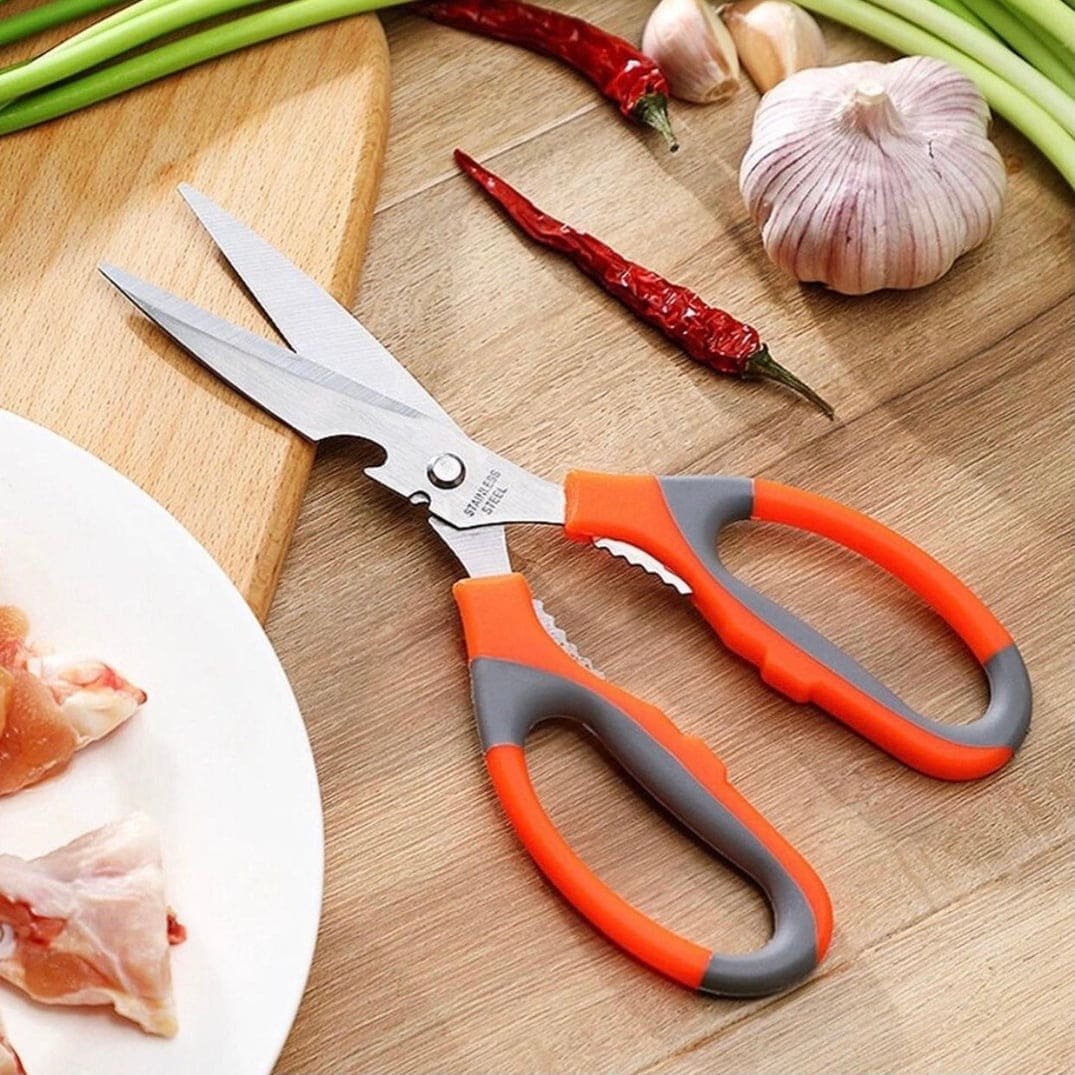
Kitchen and are designed for cutting herbs, trimming meat, and opening packages. Their blades are thicker, and many come with built-in bottle openers or nutcrackers. Because they often handle food, stainless steel blades are preferred for hygiene and durability.
2. Tailoring Scissors
For fabric cutting, tailoring offer longer blades and sharp edges. They allow clean cuts without fraying the material. Many professionals choose tailor’s shears for heavy fabrics, while dressmaking are ideal for finer cloth.
3. Hairdressing Scissors
In salons, precision matters most. Hairdressing and are designed with fine, razor-sharp edges for smooth, effortless trimming. Their balanced weight helps stylists maintain accuracy and comfort throughout long sessions.
4. Craft and Paper Scissors
Artists and crafters rely on craft for detail work. These come in multiple shapes, from decorative edges to micro-tip blades. Because paper and fabric have different textures, using proper craft prevents blade dulling and uneven cuts.
5. Medical and Utility Scissors
In healthcare, play a crucial role. Surgical are made with high-grade stainless steel and are sterilizable. Utility or multipurpose , on the other hand, are used for household and industrial tasks. Their durability makes them ideal for cutting wires, plastics, or ropes.
How to Choose the Right Scissors and Scissors
Selecting the correct pair depends on the material you intend to cut. For soft materials, lighter blades are sufficient. However, tougher materials demand hardened steel or titanium-coated blades. Comfort also matters; ergonomic handles reduce hand fatigue and increase precision. Always check blade alignment because misaligned edges can tear instead of cutting cleanly.
Essential Care and Maintenance Tips
Maintaining your scissors and scissors extends their lifespan. Proper care also ensures safety and performance. Follow these simple practices:
- Clean after every use. Wipe the blades with a soft, dry cloth to remove residue.
- Avoid moisture. Water causes rust, especially on carbon steel .
- Sharpen regularly. Dull blades require more force and risk uneven cuts. Professional sharpening or a sharpening tool restores edge sharpness.
- Store properly. Keep them in a dry place, ideally in a protective case, to prevent accidental damage.
- Use for the right material. Never use fabric on paper or wire; it reduces sharpness quickly.
By applying these habits, your will remain functional and efficient for years.
Common Mistakes When Using Scissors
Even high-quality can fail if misused. For instance, cutting adhesive tape can leave sticky residue that dulls the blades. Similarly, dropping scissors can misalign the pivot screw. Avoid forcing cuts through hard materials not designed for that pair. When resistance is felt, switch to a heavier type instead.
Why Quality Matters
Quality and not only perform better but also improve safety. Cheap models may look similar but often feature weak joints or poorly aligned blades. Investing in a reputable brand ensures longevity, smoother motion, and consistent performance. Additionally, quality l maintain sharpness longer, saving time and reducing replacement costs.
Final Thoughts
Scissors and scissors may seem ordinary, yet they remain indispensable across countless activities. From home kitchens to professional studios, their precision defines craftsmanship and efficiency. By choosing the right pair, maintaining it carefully, and understanding its specific use, anyone can transform an everyday task into a seamless experience. In the end, these simple tools remind us that even the smallest instruments can make the biggest difference.