





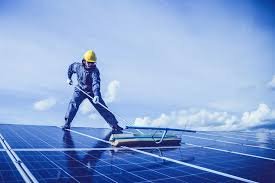
Solar energy has become one of the fastest-growing renewable energy sources worldwide. However, even the most advanced solar panels can lose efficiency if they are not properly maintained. Solar panel cleaning plays a vital role in keeping your system operating at peak performance.
Why Solar Panel Cleaning Matters
Over time, panels accumulate dust, dirt, pollen, bird droppings, and other debris. These layers block sunlight, reducing the system’s ability to convert solar energy into electricity. In fact, studies show that dirty panels can lose up to 25% of their efficiency.
Furthermore, regular cleaning prevents long-term damage caused by corrosive particles and organic buildup. Therefore, cleaning your panels is not only about efficiency but also about extending their lifespan.
How Often Should You Clean Solar Panels?
The cleaning frequency depends solar panel cleaning. For instance, if you live in a dusty area or near trees, panels may need cleaning every two to three months. Conversely, in cleaner or rainier regions, twice-a-year maintenance is usually enough.
Even though rain helps remove loose dirt, it rarely eliminates sticky residues like bird droppings. That’s why professional cleaning remains the best option for complete care.
Best Practices for Solar Panel Cleaning
Cleaning your solar panels safely and effectively requires proper tools and techniques. Let’s look at a few essential tips:
1. Clean Early or Late in the Day
Panels can become extremely hot under direct sunlight. Cleaning them early in the morning or late in the evening prevents water from evaporating too quickly and avoids potential cracks due to temperature differences.
2. Use Soft Brushes or Sponges
A soft brush, microfiber cloth, or sponge should always be used to prevent scratching the panel surface. Harsh materials can damage the protective coating.
3. Avoid Harsh Chemicals
Mild soap and clean water are sufficient for most cases. Chemical cleaners may leave residues that reduce light absorption.
4. Rinse Thoroughly
Leaving soap or minerals on the surface can cause streaks or stains, which again block sunlight. Always rinse thoroughly with purified or deionized water.
Professional vs. DIY Cleaning
While many homeowners prefer cleaning panels themselves, hiring professionals often ensures better results. Professionals use specialized equipment and water filtration systems that eliminate impurities. Additionally, they perform safety checks and inspect panels for any damage or electrical issues.
Although DIY cleaning may save money initially, improper cleaning techniques can lead to scratches or wiring damage. Therefore, investing in professional solar panel cleaning services often pays off in the long run.
Safety Considerations
Cleaning rooftop solar panels involves height and electrical risks. Always turn off the solar system before cleaning, and use proper safety gear like non-slip shoes and secure ladders. If your panels are hard to reach, it’s safer to contact trained technicians instead of risking injury.
Environmental Benefits of Regular Cleaning
Clean panels capture more sunlight, which translates into higher energy production and less dependence on fossil fuels. Moreover, maintaining optimal performance reduces the need for replacements, minimizing electronic waste. As a result, solar panel cleaning directly supports sustainability efforts and environmental protection.
Conclusion
In summary, solar panel cleaning is essential for sustaining energy efficiency, ensuring safety, and maximizing return on investment. By following proper cleaning practices or hiring experts, you can maintain optimal performance year-round. Consequently, a clean solar system means cleaner energy, lower bills, and a greener planet.