








What Is a Subperiosteal Implant?
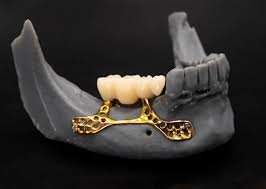
A subperiosteal implant is a type of dental implant placed on top of the jawbone but beneath the gum tissue. Unlike traditional endosteal implants, which are inserted into the bone, subperiosteal implants rest on the bone surface using a custom-made metal framework. This unique design supports artificial teeth when the patient lacks sufficient bone height or density for conventional implants.
Who Needs a Subperiosteal Implant?
Patients who have significant bone loss in their upper or lower jaw often qualify for subperiosteal implants. Bone deterioration can result from periodontal disease, trauma, or prolonged denture use. While bone grafting could rebuild the jaw, some patients prefer a faster and less invasive option. In such cases, a subperiosteal implant provides an effective alternative without extensive surgery.
Moreover, individuals who want to avoid bone augmentation procedures benefit greatly from this technique. It ensures stability even when the jaw structure is not strong enough for other implant types.
The Structure of a Subperiosteal Implant
A typical subperiosteal implant consists of three parts:
- Metal Framework: Custom-made from titanium, it conforms precisely to the jawbone’s surface.
- Posts or Abutments: These extend through the gum tissue to hold the prosthetic teeth.
- Dental Prosthesis: The visible crown or bridge that replaces missing teeth.
The framework acts as a secure base, distributing chewing forces evenly. Therefore, the result feels natural and functions similarly to real teeth.
The Procedure Step-by-Step
The process of placing a subperiosteal implant generally includes four main stages:
- Consultation and Imaging: The dentist examines oral health and takes 3D scans of the jaw. These digital images help design a framework that matches the bone’s contour.
- Surgical Placement: Under local anesthesia, the gum is opened to expose the bone. The framework is positioned on top of the bone but below the gum layer.
- Healing Period: The gum heals around the framework, holding it securely in place.
- Prosthetic Attachment: Once healed, the artificial teeth are connected to the posts.
Each step demands precision to ensure comfort, stability, and longevity. Although the surgery is minimally invasive, proper aftercare is crucial for successful healing.
Benefits of a Subperiosteal Implant
Several advantages make subperiosteal implants a preferred choice for certain patients:
- No Bone Grafting Required: Patients with insufficient bone can still receive stable implants.
- Shorter Treatment Time: The overall recovery process is faster compared to bone graft procedures.
- Custom Fit: Each framework is tailored to the patient’s anatomy for maximum comfort.
- Improved Appearance and Function: Teeth look natural and restore full chewing ability.
- Suitable for Full-Arch Restorations: Especially useful when multiple or all teeth are missing.
Furthermore, this implant preserves facial structure and prevents sagging caused by tooth loss. Over time, patients experience enhanced confidence and oral health.
Aftercare and Recovery
After surgery, mild swelling or discomfort may occur for a few days. Dentists typically recommend soft foods and good oral hygiene to promote healing. Regular follow-up appointments ensure that the gums heal properly around the framework.
In addition, avoiding smoking and alcohol helps prevent infection and speeds recovery. Most patients return to normal activities within one to two weeks. With consistent care, subperiosteal implants can last for many years.
Potential Risks and Considerations
Although highly successful, this treatment may involve certain risks such as gum irritation, infection, or implant movement. Choosing an experienced oral surgeon minimizes these complications. Also, maintaining excellent oral hygiene significantly improves long-term success.
Discussing medical history and dental habits with your dentist before the procedure ensures optimal results.
Subperiosteal vs. Endosteal Implants
While endosteal implants are the most common, they require sufficient bone depth. Subperiosteal implants, on the other hand, work best for patients with shallow jawbones. The main difference lies in placement: endosteal implants go inside the bone, whereas subperiosteal ones rest above it.
Therefore, the choice depends on bone density, health condition, and personal preferences.
Conclusion
A subperiosteal implant offers a practical solution for patients who lack adequate jawbone density but still desire fixed, stable teeth replacements. With modern 3D imaging and biocompatible materials, these implants provide lasting comfort and confidence.