





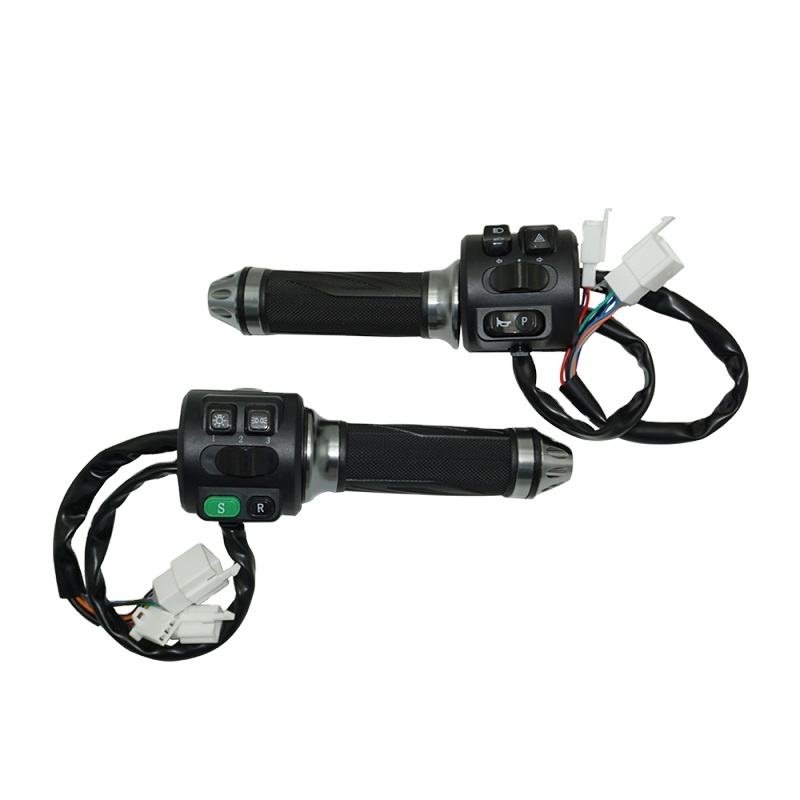
The throttle safety switch is a small yet crucial component in a vehicle’s throttle system. It plays a significant role in controlling engine performance and ensuring driver safety. Although often overlooked, this switch helps regulate throttle response, prevents unintended acceleration, and enhances overall driving stability.
In this article, we’ll explain how a throttle safety switch works, its main functions, and the most common signs of malfunction. You’ll also learn practical maintenance and replacement tips to keep your vehicle in top shape.
Understanding the Function of a Throttle Safety Switch
At its core, the throttle safety switch acts as a communication bridge between the throttle pedal and the engine control module (ECM). When the driver presses the accelerator pedal, the switch sends signals that determine how much fuel and air should enter the combustion chamber.
Moreover, the switch prevents the engine from revving too high during gear shifts or idling. By doing so, it safeguards both the transmission system and the engine from unnecessary wear. This feature becomes especially important in automatic vehicles where throttle response must be accurately controlled.
Key Benefits of a Working Throttle Safety Switch
A properly functioning throttle safety switch offers several advantages, such as:
- Enhanced safety: It stops the car from accelerating unexpectedly, reducing the risk of accidents.
- Improved fuel efficiency: Correct throttle regulation allows for optimal air-fuel mixture, which leads to better mileage.
- Smooth gear transitions: It helps synchronize engine speed and transmission shifts, minimizing jerks and delays.
- Extended engine life: Because the switch prevents over-revving, internal engine components face less stress.
In short, the throttle safety switch ensures that your vehicle runs efficiently, safely, and smoothly under various driving conditions.
Common Symptoms of a Faulty Throttle Safety Switch
When a throttle safety switch starts failing, several noticeable symptoms appear. Recognizing them early can save you from expensive repairs later on.
- Erratic Idling: The engine may idle too high or too low, indicating incorrect throttle signal transmission.
- Poor Acceleration: You might notice delayed throttle response or hesitation during acceleration.
- Check Engine Light: The ECM detects inconsistencies in throttle signals and triggers a warning light.
- Difficulty Shifting Gears: Especially in automatic cars, improper throttle signals can disrupt gear synchronization.
- Engine Stalling: A failing switch might cut off power supply to the throttle actuator, leading to engine stalls.
If you encounter these issues, it’s advisable to have the switch inspected by a certified mechanic.
How to Maintain and Replace a Throttle Safety Switch
Regular maintenance can significantly extend the lifespan of your throttle safety switch. Begin by cleaning the throttle body and inspecting the switch connector for dirt or corrosion. A gentle application of electronic contact cleaner can often restore proper connectivity.
If replacement becomes necessary, follow these general steps:
- Disconnect the Battery: This prevents electrical shorts during replacement.
- Remove the Old Switch: Unplug the connector and unscrew the mounting bolts.
- Install the New Switch: Position it accurately to ensure proper throttle calibration.
- Reconnect the Battery: After installation, start the engine and check for smooth throttle response.
Always refer to your vehicle’s service manual for model-specific instructions.
Why You Shouldn’t Ignore Throttle Safety Switch Problems
Ignoring a malfunctioning throttle safety switch can lead to serious safety hazards and costly repairs. Because the component directly influences throttle control, a failure can cause unintended acceleration or engine shutdowns.
Furthermore, a faulty switch affects fuel economy, emissions, and driving comfort. By addressing the problem promptly, you not only ensure safety but also maintain your vehicle’s overall efficiency and performance.
Final Thoughts
The throttle safety switch might be small, but its impact on your vehicle’s performance and safety is significant. Regular inspection, prompt repairs, and proper maintenance help you avoid unwanted issues while keeping your car’s throttle system in perfect harmony.
Whether you’re a DIY enthusiast or rely on professional service, understanding this component empowers you to make smarter maintenance decisions. So, the next time your vehicle behaves unpredictably, remember — the throttle safety switch could be the hidden key to restoring balance under the hood.